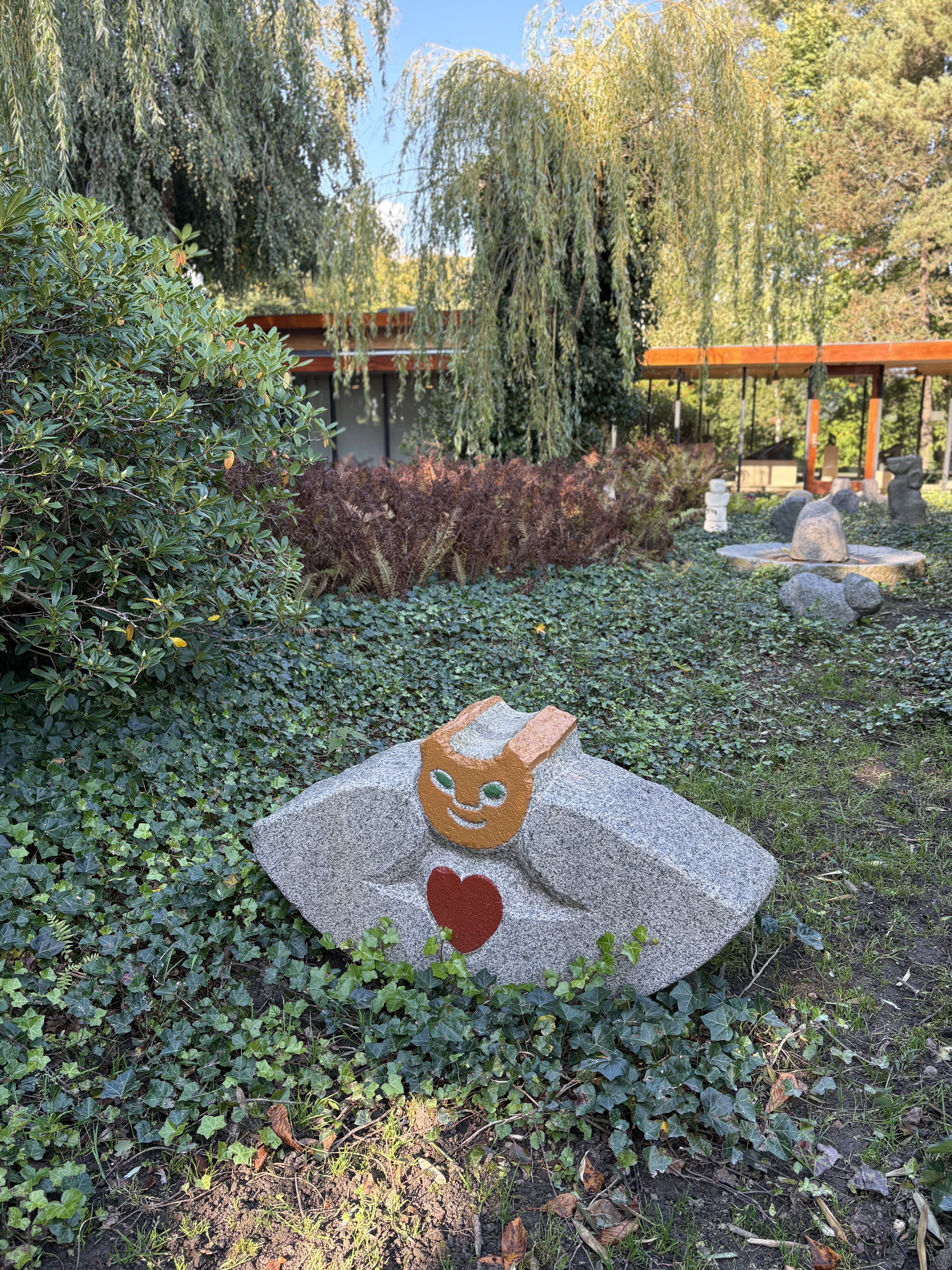
“Will you help me write my obituary,” asked a dear friend while we were still very much alive and happily traveling through Scandinavia. It wasn’t like this beautiful place evoked any semblance of depression in her, and she is, hopefully, years away from a natural death, but the subject suddenly came up while we were visiting Copenhagen’s Louisiana Art Museum and saw an ancient grave stone.
It was an evocative artifact both to my friend and our Danish guide who explained their culture has celebratory traditions intimately tied to grave sites and headstones.
“We go as a family to the final resting place of our loved ones for drinks,” she told us, “and then pour their favorite libation over their grave as a toast.”
Cracking Idea, I thought.
As death was the timely topic of conversation we all reflected on how we would like to be remembered when loved ones stand over our graves for cocktails. This was not a morbid conversation, mind you. It was a practical one. A safety issue, if you will. My good friend and I had recently read an obituary which was so bland, clinical and without any trace of a fun life lived that we barely recognized the deceased. To avoid a similar fate we both decided- there and then- to leave nothing to chance-or someone else’s poor literary skills- and to pen our own death notices. It would be biased, of course, and might actually border on boastful. But bland? Never.
“Well, if you are reading this obituary, it looks like I’m dead,” wrote Linda Murphy of Massachusetts who died at age 60 from Bulbar ALS.
“WOW, it actually happened,” continued Murphy, who self authored her obituary 6 months before she died and before the disease took away the use of her hands. Published accounts of her life illustrated that humor and love were the corner stones of her life and thus became the centerpieces of her obituary.
Gail Armstrong is another woman who died too young at 61, but made sure she had the last say about her life.
“My causes of death were complications with illness, having a little too much fun earlier in life, and fatigue from dealing with all the humorless and overly sensitive people in this world.”
She was so done, wasn’t she? Imagine that giddy feeling Gail must have had by being able to say anything she wanted knowing there‘s not a chance in hell of anyone arguing with her.
Sonia Todd’s family might have disagreed with the modest content of her obituary, but it was her life to sum up any way she wished.
“I have done very little,” said Todd. “None of which requires obit space that I have to shell out money for.”
A practical girl. A wise one, as well. She might have had very little to say about her life but she acquired enough knowledge along the way to offer plenty of advice about how we should live ours.
“ If you think of me, and would like to do something in honor of my memory do this:
- Volunteer at a school, church or library.
- Write a letter to someone and tell them how they have had a positive effect on your life.
- If you smoke – quit.
- If you drink and drive – stop.
- Turn off the electronics and take a kid out for ice cream and talk to them about their hopes and dreams.
- Forgive someone who doesn’t deserve it.
- Stop at all lemonade-stands run by kids and brag about their product.
- Make someone smile today if it is in your power to do so.”
Well said, Sonia.
Why do what these women did? Simple. It gives you one last chance to be remembered the way you would like to be. To put the perfect ending on the life you have lead. It also relieves our families of the burden of writing our obituary themselves and prevents-I hope-any eternally bland, false or inaccurate version of ourselves surviving when we are gone and unable to dispute it.
I had a friend who once introduced me as “Darlene, the woman who has never had an unspoken thought.” Fair enough. I don’t think he meant to be anything other than a little cheeky, but I doubt I will be including that line in my obit. No matter how accurate it might be. Death notices should be flattering at the very least.
So, I might start off with something like this,
“Darlene McCarthy Barnfield- A woman for whom a glamorous sequin ensemble, gorgeous high heels and glittering jewelry were the always the perfect prelude to a lovely gathering of good friends and family engaged in interesting conversation, laughing too much (if that’s even possible), and dining on something delicious. Good food and chardonnay were never just fuel for her. But pleasure.”
As I hope death is years into the future, this notice will be a work in progress and one which I am seeking advice on. Former reporters have a penchant for inquiry, you know.
I have often thought how delighted the dead would be to hear-while still alive- the lovely things others say about them at their funerals or in their obituaries.
So, I asked three friends during an holiday dinner to compose one descriptive sentence about each of us. The first line of our obituary, if you will. Our proverbial “death sentence.”
“I would need more than one sentence for you,” one of them said, both cheerfully and affectionately.
Perfect, I thought.
That’s the death sentence to begin the whole story, which is what a fine obituary should be. A good story which one day just ended.
“Darlene McCarthy Barnfield, a friend who could never be briefly summed up.” What a start.


Brilliant (who always said that!) as always and food for thought!
LikeLike
The perfect opening line for your obituary. Happy New Year. ❤️
LikeLike